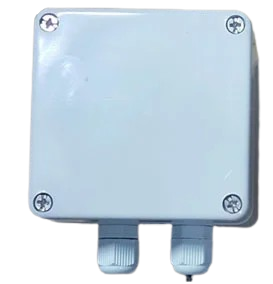
A barometric pressure sensor measures the atmospheric pressure to allow for appropriate environmental monitoring. It is also important to solar plants, weather stations, smart farming, and industrial automation since it helps to establish weather patterns, changes in altitude, and air density. Its high-sensitivity sensing elements and stable long-term operation mean that the sensor can provide the correct data to be used in forecasting, performance optimization, and safety-critical applications. It has a robust design that offers quick, quantitative digital output to make it easy to integrate into a system and be able to operate in harsh outdoor conditions. The barometric pressure sensor gives very high and reliable readings even in varying weather conditions. Its advanced technology ensures stability in the long-term and reduction of drift. It enables real-time monitoring and automated control by just integrating it with data loggers, IoT, and SCADA systems. It is small, energy efficient, and weatherproof, and is applicable in the indoor or outdoor environment. It is ideal in climate studies, system diagnostics as well as in environmental monitoring, and provides accurate data on pressure to be used in more intelligent operations.
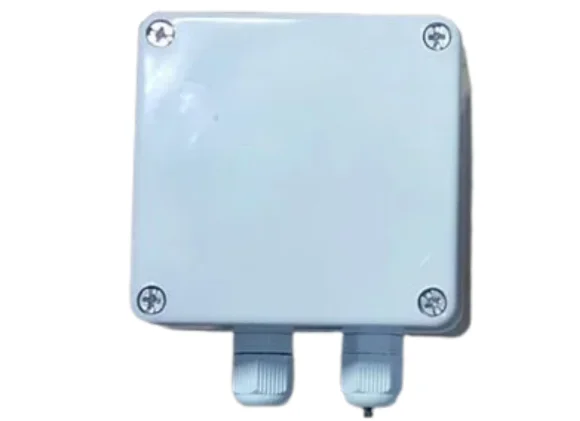
| Measuring Range | 300 to 1100 hpa |
|---|---|
| Relative Accuracy | ± 0.08 hpa (700 to 900 hpa @25°C) |
| Absolute Accuracy | ± 0.4 hpa (700 to 900 hpa, 0 to 40 °C) |
| Sensors | Digital Sensor |
| Output | RS485 modbus ,Configurable baud Rate, Device ID |
| Supply Voltage | 12 to 26 VDC |
| Power consumption | ≤ 20mA |
| Housing | Poly carbonate watertight enclosure |
| Operating Temperature | -40 to 70 °C |
| Operating Humidity | 0 to 90 % |
| Weight | Approx 150gms |
Find answers to the most common queries below