Who We Are Image

Advanced Water Monitoring & Telemetry Solutions

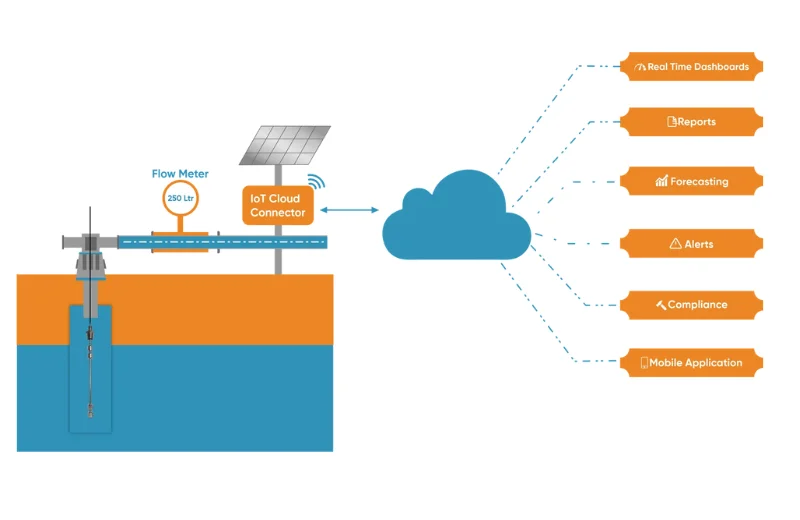
Logics PowerAMR provides a comprehensive range of advanced systems and sensors designed for unattended, long-term monitoring of water levels, water flow, flow meters, temperature, and overall water quality. Our water level measurement solutions are powered by IoT-enabled smart dataloggers, high-precision sensors, and robust communication devices—each of which can be fully customized to meet the specific requirements of any site. Furthermore, as per The Gazette of India notification dated 24 September 2020, all industries are mandated to implement a telemetry system for real-time monitoring of groundwater levels and extraction, in accordance with NOC conditions. As a leading provider of IoT-based telemetry solutions, Logics PowerAMR is ideally positioned to support you in achieving full compliance with these regulations.

DG and Solar Synchronization

Key Applications of Smart Water Monitoring Systems

Smart water management requires accurate, real-time insights to improve efficiency, reduce wastage, and ensure compliance. Logics PowerAMR’s IoT-enabled monitoring solutions empower utilities, industries, and facility managers with reliable water data for better decision-making.

Automated Water Metering

Enables seamless Automated Meter Reading (AMR) and automatic bill generation, reducing manual errors while ensuring accurate consumption tracking.

Water Supply Analysis

Provides real-time monitoring of water flow, pressure, and flow rate, with daily analytical reports to help optimize supply and detect abnormalities early.

Groundwater Monitoring

Tracks groundwater extraction, water levels, and water quality through a centralized platform, ensuring compliance with regulatory standards.

Leakage & Distribution Monitoring

Detects leakages, pressure drops, and uneven distribution across the network, helping reduce water loss and improve operational efficiency.

Key Features

Smart water management becomes more efficient and reliable with IoT-based automation, centralized control, and intelligent analytics. These features ensure accurate monitoring, improved decision-making, and seamless integration across all water management operations.

1

Centralized Monitoring & Control

Monitor operations from a single dashboard, analyze system efficiency, and automate instruments, sensors, SCADA, water testing labs, and other connected sources.

2

Intelligent Alerts & Notifications

Receive instant alerts via email, SMS, and mobile notifications whenever anomalies or critical events occur, ensuring quick response and reduced downtime.

3

Seamless API Integration

Easily connect with third-party platforms using APIs for Electronic Data Interchange (EDI), enabling automated compliance and reporting.

4

Real-Time Data Visualization

Access intuitive dashboards with live insights, graphs, and performance metrics to support informed and timely decision-making.

Frequently Asked Questions

Find answers to the most common queries below

A smart water monitoring system uses IoT sensors, data loggers, and cloud software to track water flow, levels, quality, and consumption in real time, offering greater accuracy and operational control.

Centralized monitoring allows all water sources, sensors, SCADA systems, and instruments to be viewed and managed from one platform, improving efficiency and simplifying decision-making.

Yes. The system sends instant alerts via SMS, email, and mobile notifications when it detects anomalies such as leaks, pressure drops, or abnormal consumption patterns.

Yes. The platform supports telemetry compliance requirements, including mandates from The Gazette of India for groundwater monitoring and reporting.

Most existing sensors, meters, and SCADA systems can be integrated using IoT data loggers and APIs, ensuring smooth compatibility with your current infrastructure.

The system can generate automated daily, weekly, monthly, or custom reports for consumption, flow analysis, groundwater extraction, and compliance needs.

Yes. Through API-based integration, it connects with third-party billing platforms, ERP systems, and regulatory portals for automated data exchange.

Absolutely. The system is designed to scale from a single location to multiple distributed sites, allowing centralized control and monitoring across all units.