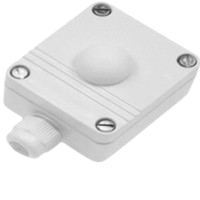
Cloud cover plays a critical role in solar energy generation and atmospheric analysis. Our advanced monitoring system uses real-time solar irradiance data to deliver accurate cloud cover estimations, ensuring optimal performance of solar energy systems and providing valuable data for weather forecasting and climate research. Cloud cover directly influences sunlight availability, making its accurate assessment essential for optimizing solar plant efficiency and understanding atmospheric conditions. Our intelligent monitoring system analyzes real-time irradiance variations, sky clarity, and environmental parameters to determine cloud presence and density with high precision. By continuously tracking shading patterns and sudden irradiance drops, the system offers reliable insights that support energy forecasting, grid management, and climate modeling. Whether used for utility-scale solar plants or research applications, this cloud cover analysis ensures better decision-making and improved operational performance.
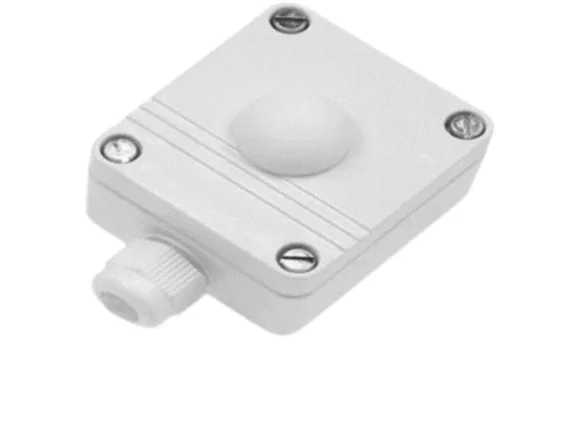
Our system continuously measures Global Horizontal Irradiance (GHI) using the high-precision PYRA 300 Solar Radiation Sensor. By comparing this data to a theoretical clear-sky GHI model, we calculate the Cloud Cover Factor (CCF) – a direct indicator of cloud presence and intensity. This proven method allows us to accurately detect and quantify cloud cover in real-time, providing a dependable data source for energy management and atmospheric studies.
Compares actual GHI to clear-sky GHI for live cloud monitoring.
Onboard microcomputer processes radiation signals and delivers accurate cloud cover data without external computation.
Provides clean, digital CCF output ideal for automated weather stations, remote sensing platforms, and smart environmental systems.
Operates on a 12V DC supply with minimal current draw (~30 mA), making it ideal for solar-powered or off-grid systems.
Perfect for solar energy optimization, climate analysis, and weather forecasting.
Minimal moving parts or optical components reduce maintenance and increase long-term reliability.
Compares actual GHI to clear-sky GHI for live cloud monitoring.
Onboard microcomputer processes radiation signals and delivers accurate cloud cover data without external computation.
Provides clean, digital CCF output ideal for automated weather stations, remote sensing platforms, and smart environmental systems.
Operates on a 12V DC supply with minimal current draw (~30 mA), making it ideal for solar-powered or off-grid systems.
Perfect for solar energy optimization, climate analysis, and weather forecasting.
Minimal moving parts or optical components reduce maintenance and increase long-term reliability.
| Technical Specifications | |
|---|---|
| Sensor Type | PYRA 300 Solar Radiation Sensor |
| Measurement Range | 0 to 100% |
| Power Supply | 12 V DC |
| Temperature Range | -20°C to +70°C |
| Measurement Output | Cloud Cover Factor (CCF) / Oktas |
| Accuracy | ±25% (typical) |
| Current Consumption | ~30 mA |
| Output Format | Digital (CCF 0 to 100%) |
Find answers to the most common queries below