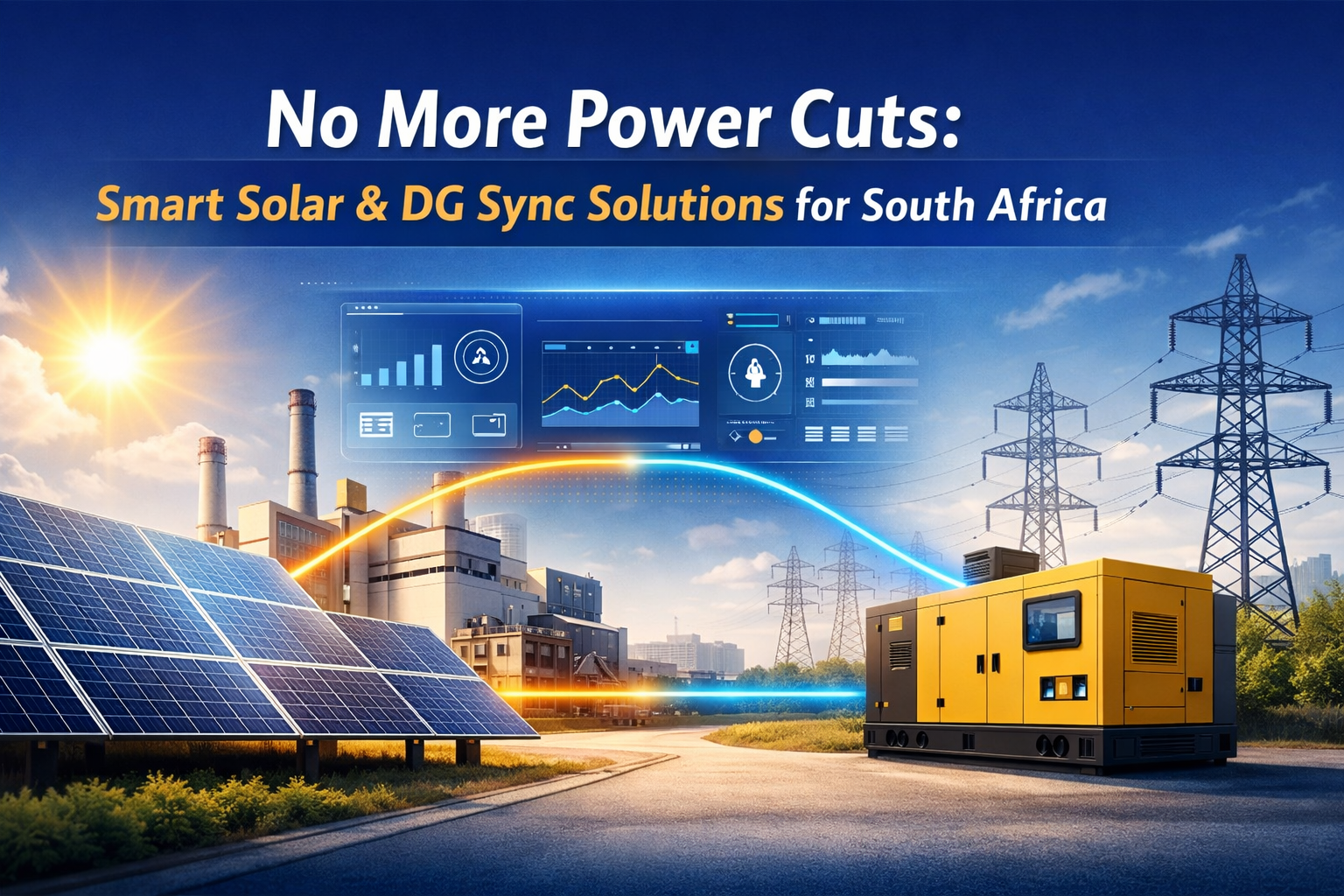
Power interruptions can have a negative impact on operations more than expected. It’s especially when energy systems aren’t managed properly. Numerous setups use solar panels or even diesel generators, but they typically work in isolation. This often results in energy loss, higher usage of fuel, along with unnecessary downtime. A well-planned solar monitoring system in South Africa, combined with DG synchronization, helps you bring everything into one connected system.
It gives operators with better visibility, more control over energy usage, and smoother transitions during outages. In this guide, you’ll learn how to run your energy systems even more efficiently and avoid common performance issues.
Understanding Load Shedding Challenges in South Africa
Power interruptions aren’t just about losing electricity for a few hours. But, the real challenge is the uncertainty and frequency of outages, which actually makes it difficult for businesses in order to plan operations efficiently. Equipment shuts down abruptly, processes also get interrupted, and then restarting systems often takes more time than we normally expect.
For every industry that relies on continuous power, even short outages can affect productivity and system performance. When it comes to business impact, it goes beyond immediate downtime. And, if we switch frequently between grid power and backup systems, it increases diesel consumption, maintenance costs, along with equipment wear. In most of the cases, businesses make their investment in backup solutions but still struggle because these systems are not optimized.
And, this is exactly where load shedding solutions that involve proper monitoring and synchronization become essential. They help businesses maintain stability, reduce operational losses, and use energy resources more efficiently rather than reacting to every outage.
What Is Solar Monitoring & DG Synchronization?
A solar monitoring system helps you smartly track how your energy system is performing in real-time. When you blend it with DG synchronization, it ensures that solar generators, along with grid power work together rather than running separately. Simply put, solar DG synchronization perfectly balanced these sources to maintain smooth and efficient operations.
How Hybrid Systems Work?
A hybrid system connects solar, DG, as well as grid into one setup that responds automatically to dynamic conditions:
-
Solar power is utilized first in order to lessen diesel usage.
-
DG supports the load when solar isn’t enough.
-
During outages, the system shifts to DG without interruption.
-
During outages, the system shifts to DG without any interruption.
-
When grid power returns, the load is balanced automatically.
-
Monitoring ensures efficient energy use at all times.
This setup helps reduce fuel costs, avoid energy loss, and keep operations running without disruption.
Key Components of a Hybrid Energy System
A hybrid energy system just works well when each component is integrated properly and aligned with the load needs. One thing should always be clear: it’s not all about adding solar, and along with a generator. The real value truly comes from how these components communicate, share load, and respond to changes in demand. Here are the key components:
-
Solar Monitoring System
It’s the visibility layers of your whole setup. This system tracks real-time generation, identifies underperforming panels or inverters, and then highlights energy losses. More essentially, it assists you in comparing expected vs actual output, so that you can take action before small inefficiencies become major losses.
-
DG Synchronization
DG synchronization ensures that the diesel generator doesn't run blindly. It actually matches generator output with the load and solar output, and prevents overload or even underutilization. Now, this reduces consumption of fuel, avoids sudden power fluctuations, while extending generator life by ensuring smoother operation.
-
SCADA (Supervisory Control and Data Acquisition)
SCADA works as the control center. It precisely brings all data into just one place and allows operators in order to monitor, control, and automate the whole system. Rather than manual switching, SCADA allows intelligent decision-making based on real-time conditions and improves overall system reliability.
-
Zero Export Controller
In many situations, feeding excess power back to the grid is restricted. Here, a zero export controller ensures that extra solar energy is being controlled and used efficiently within the system. It avoids grid violation and optimizes internal consumption, which is crucial for maintaining compliance and avoiding penalties.
Best Solutions in South Africa
|
Solution Type |
Key Features |
Reliability |
|
LogicsPower Hybrid Solution |
Solar monitoring, DG synchronization, SCADA integration, real-time analytics |
High |
|
Basic Solar Monitoring |
Limited tracking, no DG sync, basic alerts |
Medium |
|
Generator-Only Setup |
Backup power only, no optimization or monitoring |
Low |
Benefits of Solar + DG Integration
Below are some key benefits that directly improve operational efficiency, reduce costs, and make energy usage even more reliable:
Reduced Downtime
With proper synchronization, power transition takes place smoothly. When solar output drops or sometimes the grid fails, the DG supports the load immediately. Through this, operators can prevent sudden shutdowns, protect equipment, and keep operations running without even any interruption.
Cost Savings
Diesel is one of the highest operating costs in backup systems. It prioritizes solar and uses DG only when actually required, fuel consumption is minimized significantly, and leads to better long-term savings.
Energy Independence
A hybrid setup lessens dependency on just a single source of power. By combining solar and DG, businesses get more control over energy usage and can handle demand more efficiently.
Implementation Guide
System Design
It actually starts with comprehension of your load requirements, usage patterns, along with outage scenarios. If you have a well-planned design, it ensures the balance between solar capacity and DG support, and avoids underperformance or even oversizing.
Installation
This includes setting up solar panels, DG units, controllers, as well as monitoring devices. Proper installation is really important in order to ensure stable performance and accurate data from the system.
Integration
The final step is connecting all components through a monitoring and control system. It allows seamless switching, load balancing, and real-time visibility, and makes the entire setup work as one coordinated system.
Common Challenges & Solutions
Hybrid energy systems are effective, but only when some of the common challenges are managed properly. The 2 areas mostly create issues during operations:
Grid Instability
Frequent voltage fluctuations or sometimes unexpected outages can affect system performance and equipment life. A smart monitoring and control setup manages load automatically, makes transitions stabilize between power sources, and protects critical equipment from sudden changes.
Integration Complexity
Connecting solar DG, along with control systems, into one setup can be technically challenging. Without even proper integration, the system can’t communicate well, which leads to inefficiencies. So, utilizing a unified platform with built-in automation simplifies this procedure and ensures all components work together smoothly.
Why LogicsPower Is Best Fit?
LogicsPower stands out as it primarily focuses on what actually matters in hybrid systems like reliability, control, and long-term performance. With its strong expertise in solar and integration of DG, the solutions are specially designed to manage real operational challenges, not just basic monitoring.
Everything, from system design to final integration, everything is built to ensure smooth coordination between solar, DG, along with grid power. Ultimately, this results in stable performance, reduced energy losses, and better cost efficiency.
Conclusion
Nowadays, reliability depends on how well your energy systems work together, not just on backup alone. A properly designed solar and DG setup can reduce downtime, control costs, and improve overall efficiency.
If you’re planning to upgrade your energy system with better monitoring synchronization, LogicsPower can smartly help you build a solution that’s practical, reliable, and built for long-term performance.