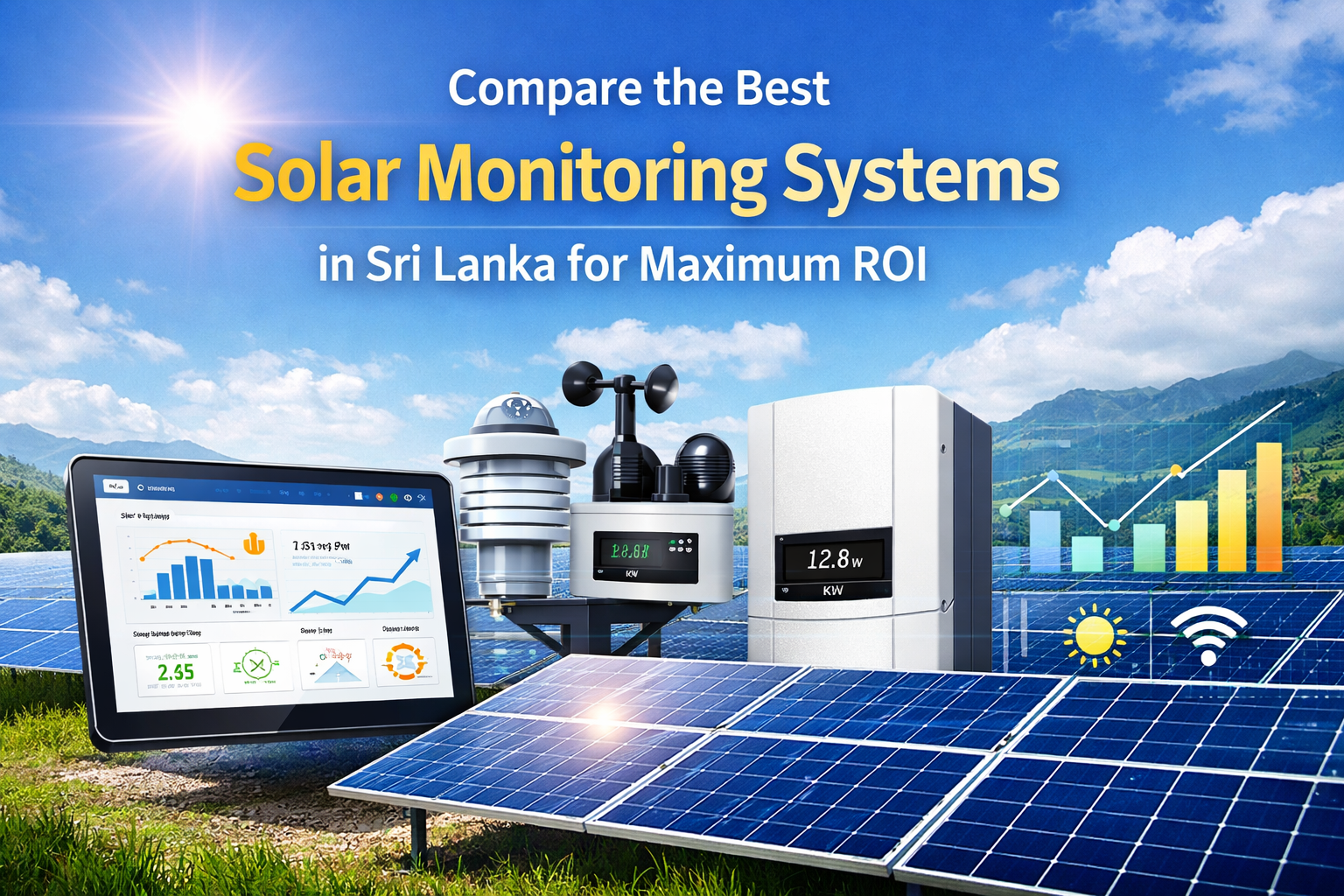
When it comes to effective energy management, it actually goes beyond simply monitoring outputs. It actually needs to analyze large volumes of data, anticipate issues before they even occur, along with optimizing operations to maximize efficiency.
Modern IoT platforms address these challenges by integrating sensor networks, enabling real-time monitoring, and turning complex energy data into actionable insights. They smartly support predictive maintenance, automated workflows, and data-driven decision-making, and help businesses prevent downtime, enhance performance, and protect long-term energy yields.
In this blog, we’ll explore AI-driven analytics, predict alerts, interactive dashboards, cloud-based solutions, remote monitoring, and enhance efficiency, and deliver measurable operational value.
What Is a Solar Monitoring System?
A solar monitoring system is actually an essential tool for improving efficiency in solar plants. It regularly gathers data from solar panels and inverters, analyzes performance in real time, and identifies various 0re they even affect energy production.
It monitors numerous factors such as power outputs, efficiency, along with equipment health, it allows operators in order to optimize workflows, reduce downtime, while maximizing long-term energy yields. This system is really essential for businesses and plant operators who want to make sure that solar assets deliver consistent performance and the best return on investment.
Key Components:
Inverter Monitoring:
Tracks inverter efficiency, outputs, as well as faults in order to prevent energy loss.
Sensors:
Quantify environment and operational conditions to identify underperformance or faults early.
Dashboard:
Gives an interactive view of performance, predictive alerts, as well as actionable insights.
Why Solar Monitoring Is Essential in Sri Lanka
Since Sri Lanka is increasingly adopting solar energy, monitoring systems here become crucial for maximizing efficiency, reducing various losses, and ensuring consistent performance across installations. Here’s exactly why:
Rising Energy Costs:
Electricity prices are increasing steadily, so monitoring ensures that every unit of solar energy is being utilized effectively, and help businesses reduce dependency on expensive grid power and save on bills.
Solar Adoption Growth:
Also, the number of rooftop and utility-scale solar installations is growing, making centralized monitoring essential in order to track performance, detect underperformance panels, while maintaining optimal output across all systems.
Weather Dependency:
Solar output varies with sunlight, rainfall, as well as temperature. When we monitor systems provide real-time insights to predict fluctuations, prevent energy loss, and optimize operations under dynamic weather conditions.
Types of Solar Monitoring Systems
Solar monitoring systems differ in complexity and functionality, designed in order to meet various operational preferences. So, choosing the right system ensures optimal energy performance, reduces downtime, and maximizes long-term returns.
Basic Monitoring:
Now, this type provides essential data like total energy production and inverter result status. It’s suitable for small-scale solar installation but also lacks detailed analytics or predictive capabilities.
Advanced IoT-Based Systems:
Utilizing sensors, real-time data analytics, and cloud connectivity, these platforms provide predictive alerts, performance trends, and remote management. They enable businesses to optimize their workflow, identify panels that are underperforming, and improve the overall efficiency of the plant.
SCADA-Based Monitoring:
This type of monitoring system is primarily used in large-scale or utility solar projects. SCADA (Supervisory Control and Data Acquisition) systems smartly integrate several plant components into a centralized platform. They offer granular control, real-time analytics, and automation for highly efficient solar energy management.
Role of Weather Sensors in Solar Performance
Weather conditions have the potential to influence how much energy a solar plant generates. Even small changes in sunlight intensity, temperature, or even cloud movement can impact overall output. That’s exactly why modern solar performance monitoring systems depend heavily on weather sensors. These smart sensors don’t just collect data; they also help operators understand why performance changes and how exactly to improve solar plant efficiency. Here’s more role:
Pyranometer
A pyranometer measures the exact amount of solar irradiance reaching the panels. And, it helps operators to compare the amount of energy generated with the expected output and immediately identify performance losses or inefficiencies of the panel.
Solar Radiation Sensor
Solar radiation sensors track real-time sunlight intensity throughout the day. This is the data that plays a key role in accurate analysis of performance, predictive maintenance, along with better energy forecasting for solar plants.
Cloud Cover Monitoring
Cloud cover sensors help explain sudden drops in power generation. It tracks cloud movement and shading patterns by which operators can prevent false fault alarms and make smarter operational decisions.
Best Solar Monitoring Solutions in Sri Lanka (Comparison)
|
Solution Type |
Features |
Pricing |
Scalability |
|
Basic Monitoring |
Energy tracking and inverter status |
Low |
Limited |
|
IoT-Based Monitoring |
Real-time data, alerts, remote access |
Medium |
High |
|
SCADA Monitoring |
Advanced analytics and centralized control |
High |
Very High |
ROI of Solar Monitoring Systems
A solar monitoring system provides a strong ROI by improving overall performance and reducing operational losses. With better solar performance monitoring, businesses are able to identify inefficiencies early, increase output, and avoid costly downtime.
Real-time insights help reduce maintenance costs, improve plant efficiency, and make sure that every unit of energy is utilized effectively. Over time, this results in higher savings, better operational control, along with a faster return on solar investment.
How to Choose the Right Solar Monitoring System?
When it comes to selecting the right system, it’s not just about technical decisions. It can directly affect how efficiently your solar plant performs over the next 10 to 15 years. The right choice should help you identify losses earlier, enhance energy output, and avoid unnecessary maintenance costs. Here’s how to choose wisely:
Step 1: Choose Based on Plant Size
Small roof-top systems generally need simple performance tracking. On the other hand, commercial or large plants require advanced solar monitoring systems with real-time analytics, fault detection, as well as centralized control for better operational efficiency.
Step 2: Decide According to Budget Value, Not Just Cost
Rather than choosing the cheapest alternative, just keep your focus on long-term value. A reliable solar performance monitoring solution helps prevent energy losses, reduces downtime, and improves overall return on investment.
Step 3: Understand Your Data Requirements Clearly
Just think about how much insight you exactly need. This is because basic data can work for small setups, but detailed performance analytics, alerts, and predictive insights are really essential in order to maximize long-term solar plant efficiency.
Why LogicsPower Is Ideal for Sri Lanka?
Solar projects in Sri Lanka face unique challenges such as fluctuating weather, increasing costs of electricity, along with the need for accurate performance tracking that’s really accurate. That’s where Logics Power stands out, and provide operator with a complete solution designed to improve solar plant efficiency and long-term energy performance. Here’s more on why exactly to choose Logics Power:
Integrated Hardware + Software
Rather than relying on separate tools, Logics Power offers a fully integrated system that connects sensors, monitoring devices, as well as software into just one platform. This smartly makes installation easier, improves data accuracy, and helps operators handle solar performance more efficiently.
Accurate Sensor Ecosystem
Reliable data is the backbone of effective solar monitoring. Logics Power utilizes a precise sensor ecosystem that tracks solar radiation, temperature, and plant performance in real time. And, it ensures better decision-making, reduced downtime, and improved energy output for solar projects across Sri Lanka.
Conclusion
Solar monitoring is no longer optional, especially for all the regions where energy efficiency and consistent performance directly impact long-term savings.
The right systems help businesses improve solar plant efficiency, reduce downtime, and make smarter decisions based on real-time data. If you invest in a reliable monitoring solution, you can ensure better energy output, stronger ROI, and long-term operational stability.
If you’re planning to upgrade your solar monitoring strategy, this is the right time to get started with Logics Power.