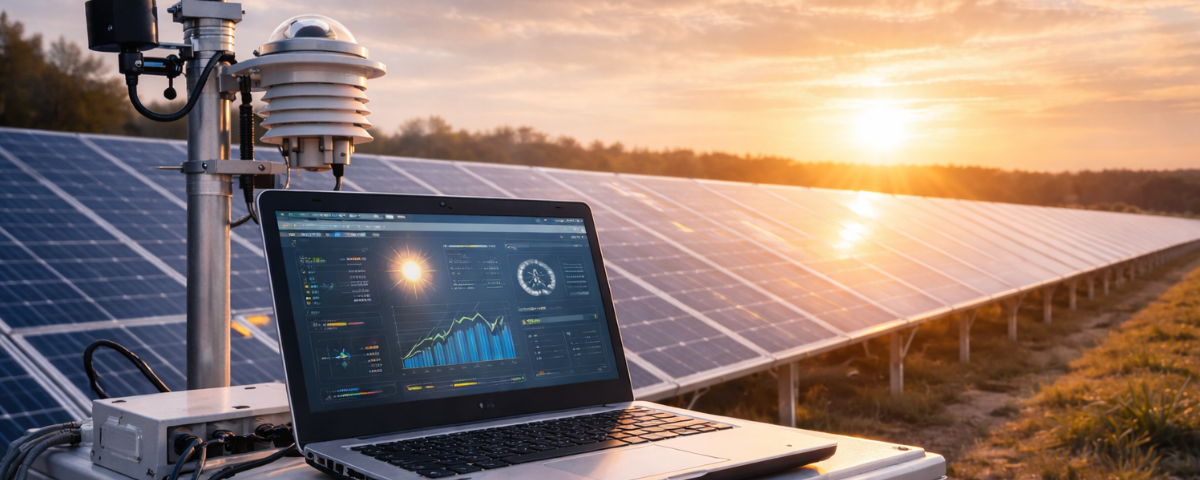
Solar Plant Monitoring Systems: Complete Guide to Maximizing Energy Output in 2025
As solar power installations continue to grow rapidly in 2025, maximizing energy output and minimizing downtime have become critical for plant owners, EPC companies, and asset managers. A Solar Plant Monitoring System plays a vital role in ensuring optimal performance, early fault detection, and higher return on investment (ROI).
This complete guide explains what solar plant monitoring systems are, how they work, key components, benefits, and the latest trends shaping the solar industry in 2025.
What Is a Solar Plant Monitoring System?
A Solar Plant Monitoring System is a combination of hardware and software that continuously tracks the performance of a solar power plant. It collects real-time data from various sensors, inverters, and meters to monitor energy generation, system health, and environmental conditions.
These systems allow plant operators to identify underperforming equipment, detect faults early, and take corrective actions before significant energy losses occur.
Why Solar Plant Monitoring Is Essential in 2025
With increasing grid integration, stricter compliance requirements, and rising energy demands, monitoring systems are no longer optional—they are essential.
Key reasons why monitoring is crucial in 2025:
-
Higher expectations for plant uptime and efficiency
-
Growing adoption of large-scale and hybrid solar plants
-
Need for predictive maintenance instead of reactive maintenance
-
Compliance with grid and regulatory standards
-
Demand for accurate performance analytics and reporting
Key Components of a Solar Plant Monitoring System
A reliable monitoring system consists of several interconnected components working together.
1. Data Loggers
Data loggers collect information from inverters, sensors, and meters. They act as the central communication device, transmitting data to cloud platforms via Ethernet, GSM, or LTE networks.
2. Weather Sensors
Weather sensors measure environmental parameters such as:
-
Solar radiation (pyranometer)
-
Ambient and module temperature
-
Wind speed and direction
-
Humidity and rainfall
These inputs help correlate plant performance with weather conditions.
3. Energy Meters
Energy meters measure:
-
AC and DC power
-
Voltage and current
-
Frequency and power factor
They ensure accurate energy accounting and performance ratio (PR) calculation.
4. Inverter Monitoring
Inverter data provides insights into:
-
Power conversion efficiency
-
Faults and alarms
-
String-level performance
Monitoring inverters is critical since they directly affect energy output.
5. Monitoring Software & Dashboard
Modern platforms offer:
-
Real-time performance visualization
-
Historical data analysis
-
Alarm notifications via email or SMS
-
Automated reports
Cloud-based dashboards allow remote access from anywhere.
How Solar Plant Monitoring Systems Work
The monitoring process follows a simple workflow:
-
Sensors and meters collect data from the solar plant
-
Data loggers transmit information to a central server
-
Monitoring software processes and analyzes the data
-
Operators view insights through web or mobile dashboards
-
Alerts are triggered if abnormal behavior is detected
This real-time feedback loop ensures quick response to performance issues.
Benefits of Solar Plant Monitoring Systems
Increased Energy Output
By identifying underperforming strings, inverters, or modules, monitoring systems help recover lost generation and maximize output.
Reduced Downtime
Instant fault alerts allow maintenance teams to act quickly, reducing plant downtime and revenue loss.
Improved Maintenance Planning
Data-driven insights enable predictive maintenance, reducing unnecessary site visits and operational costs.
Better ROI and Asset Life
Optimized performance and reduced degradation extend the lifespan of plant components and improve overall ROI.
Regulatory Compliance & Reporting
Automated reports simplify compliance with utility, regulatory, and financial stakeholders.
Advanced Features in 2025 Solar Monitoring Systems
Solar monitoring technology has evolved significantly. Key advanced features in 2025 include:
-
AI-based performance analytics for anomaly detection
-
Predictive fault analysis using machine learning
-
String-level and module-level monitoring
-
Integration with SCADA and EMS platforms
-
Cyber-secure cloud infrastructure
-
Mobile app access for real-time alerts
These features help operators move from monitoring to intelligent plant management.
Types of Solar Plants That Require Monitoring
Solar plant monitoring systems are used across various applications:
-
Utility-scale solar power plants
-
Rooftop and commercial solar installations
-
Industrial captive power plants
-
Hybrid solar-wind plants
-
Solar plants with battery energy storage systems (BESS)
Each application benefits from customized monitoring solutions.
How to Choose the Right Solar Plant Monitoring System
When selecting a monitoring solution, consider:
-
Compatibility with inverters and sensors
-
Scalability for future expansion
-
Data accuracy and reliability
-
User-friendly dashboard and reports
-
Local service and technical support
-
Compliance with international standards
Choosing the right system ensures long-term reliability and performance.
Future of Solar Plant Monitoring
The future of solar plant monitoring is driven by digitalization, automation, and AI. By 2025 and beyond, monitoring systems will become smarter, more autonomous, and deeply integrated with energy management systems, helping solar plants operate at peak efficiency with minimal human intervention.
Conclusion
A Solar Plant Monitoring System is the backbone of efficient and profitable solar power generation in 2025. From real-time performance tracking to predictive maintenance and advanced analytics, these systems enable plant owners to maximize energy output, reduce losses, and ensure long-term sustainability.
Investing in a robust monitoring solution is not just about visibility—it’s about maximizing the true potential of solar energy.